


Microtest, a leading French distributor of equipment and consumables for the semiconductor industry, distinguishes itself through its deep commitment to corporate social responsibility (CSR). In a world where environmental and social concerns are increasingly important, technology companies are facing growing scrutiny regarding their impact on society and the environment. Microtest responds to these expectations with a well-structured CSR approach, formalized in a charter that highlights not only its commitments but also its achievements in this area. This article explores how Microtest integrates CSR into its operations, based on the principles outlined in its charter, to continuously improve its practices and contribute positively to the industry and the community.
Understanding CSR
Corporate social responsibility (CSR) is a strategic framework that encourages companies to be aware of the impacts of their activities on all aspects of society, including economic, social, and environmental impacts. It aims to contribute to sustainable development, which encompasses both the health and well-being of society and environmental and economic performance.
The three main CSR pillars at Microtest
- Social : This involves taking into account the well-being of employees and the local community, for example by ensuring fair working conditions and contributing to community projects.
- Environmental : This includes efforts to minimize the environmental impact of the company’s activities, such as waste management, pollution reduction and sustainable use of resources.
- Governance: This pillar concerns the management of the company in an ethical, transparent and responsible manner.
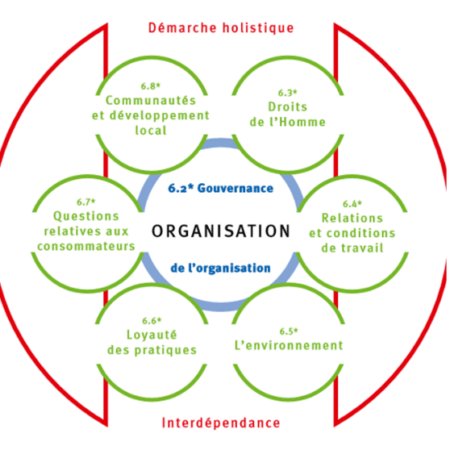
The ISO 26000 standard defines seven core subjects that help guide CSR practices: organizational governance, human rights, labor relations and working conditions, environment, fair operating practices, consumer issues, and community and local development.
The role of CSR in microelectronics
In the microelectronics sector, where innovations and technologies advance at a rapid pace, the integration of Corporate Social Responsibility (CSR) has become a key driver for sustainable growth. By adopting CSR practices, companies in the sector, such as Microtest, can not only improve their environmental footprint but also strengthen their competitiveness and reputation in the market.
For Microtest, CSR goes beyond mere regulatory requirements. It is a proactive approach to anticipate the growing expectations of customers and partners who increasingly value responsible and sustainable practices. By adopting CSR policies, Microtest is committed to reducing the environmental impact of its processes, prioritizing responsible resources, and promoting innovation for sustainable and eco-designed products. This approach also allows it to position itself as a leader in sustainable microelectronics, an increasingly crucial aspect for companies worldwide.
The integration of CSR also contributes to customer loyalty and the attraction of new partners, thus reinforcing Microtest’s commitment to being a trusted player in the field of responsible microelectronics.
The CSR chart of Microtest
Microtest has formalized its commitment to corporate social responsibility through a CSR charter that clearly defines its objectives and guiding principles. This charter is based on the three historical pillars of CSR—social, environmental, and governance—while also incorporating the seven core subjects of the ISO 26000 standard.
Objectives of the Charter:
- Economic: Ensure the economic viability of Microtest by remaining competitive while respecting ethical principles and stakeholder expectations.
- Social: To have a positive impact on society by improving working conditions, supporting local development and engaging employees and partners in these initiatives.
- Environmental: Minimize the environmental impact of operations, promote recycling, reduce emissions and consume responsibly.
Integration of Objectives into Operations:
Microtest integrates these objectives into its daily operations and strategic decisions in various ways. On the economic front, the company strives to remain innovative while offering sustainable solutions to its customers, thereby ensuring its competitiveness and growth. On the social front, Microtest values the well-being of its employees by providing safe working conditions and encouraging their professional development. The company also engages in community initiatives, strengthening its ties with local communities.
From an environmental perspective, Microtest adopts sustainable practices such as the use of renewable energy and the implementation of effective waste management systems at its facilities. These practices are not only beneficial to the environment but also help to reduce long-term operating costs.
Strategic Decisions:
Strategic decisions at Microtest are made with consideration for their potential impact on the environment and society. This includes adopting clean technologies, selecting suppliers who follow sustainable practices, and investing in research and development to continuously improve CSR practices.
In short, Microtest’s CSR charter is not just a statement of intent; it actively guides the company’s daily actions and shapes its long-term strategies, ensuring that its commitments to social responsibility are firmly embedded in every aspect of its operations.
The ISO 26000 standard defines seven core subjects that help guide CSR practices: organizational governance, human rights, labor relations and working conditions, environment, fair operating practices, consumer issues, and community and local development.
In the microelectronics sector, where innovations and technologies evolve rapidly, integrating CSR can not only improve sustainability but also strengthen competitiveness and reputation. For companies like Microtest, adopting CSR means not only meeting regulatory requirements but also anticipating the expectations of customers and partners who value social and environmental responsibility.
Microtest Initiatives and Actions
Microtest is actively engaged in a variety of initiatives that reflect its commitment to corporate social responsibility through environmental, social, and governance actions. Each initiative is designed to have a significant impact while supporting the company’s overall objectives.
Environment:
Microtest has implemented several significant measures to reduce its environmental footprint. The company participates in extensive recycling programs, ensuring that materials used in its manufacturing and office processes are efficiently recycled, which helps reduce the amount of waste sent to landfills. Furthermore, as part of its efforts to minimize emissions from its logistics operations, Microtest promotes the use of electric or hybrid vehicles in its service fleet and prioritizes ocean freight, which emits less CO2, over air freight. Click ici To learn more about Microtest’s logistical actions, see below. Finally, Microtest actively engages with its partners who also adopt sustainable practices. Some, for example, have installed photovoltaic panels to reduce their dependence on fossil fuels and contribute to a healthier environment.
Social:
On a social level, Microtest highly values the working conditions of its employees and is committed to providing a safe and rewarding work environment. The company regularly organizes training courses for skills development. Microtest is also involved in local initiatives, such as partnerships with technical schools to offer internships, thereby contributing to the development of the future technical workforce.
Governance:
In terms of governance, Microtest practices a policy of transparency and ethics in all its operations. It has implemented a clear code of conduct that all employees must follow, emphasizing the importance of integrity and accountability. Relationships with suppliers and partners are also governed by strict standards to ensure that all business practices are fair and legitimate.
Exemplary Projects and Partnerships:
One example of a successful partnership is with the École de l’Argensol in Orange, where Microtest contributes to the educational program by offering practical opportunities to students. This partnership not only helps students gain valuable experience but also strengthens Microtest’s reputation as a responsible employer in the region.
These initiatives are examples of how Microtest integrates CSR into its business model, demonstrating its commitment to a lasting positive impact, not only within the company but also in the wider community.
Microtest’s commitment to corporate social responsibility is deeply embedded in all its activities. By systematically integrating CSR into its business practices, Microtest demonstrates not only its commitment to continuously improving its operations but also to positively impacting society and the environment. This clearly illustrates the company’s mission to drive change and innovate responsibly. We encourage customers, partners, and other stakeholders to support and collaborate with responsible companies like Microtest, which prove that sustainability and business success can go hand in hand.